Ever landed in Lisbon only to find your suitcase still lounging in LAX? You’re not alone. The U.S. Department of Transportation reports that over 2.7 million bags were mishandled by U.S. airlines in 2023—that’s roughly one lost or delayed bag per 1,000 passengers. And while “delayed” sounds less catastrophic than “lost,” it still means you’re stranded in flip-flops at a business conference, Googling “how to track delayed baggage insurance” at 2 a.m.
This guide cuts through the red tape. You’ll learn exactly how to file, track, and win your delayed baggage insurance claim—backed by real cases, insider airline knowledge, and lessons from my own suitcase-shaped nightmare in Reykjavik (yes, I wore hotel slippers to a glacier tour). We’ll cover:
- Why standard travel insurance often falls short on baggage delays
- The exact steps to track your delayed baggage insurance claim
- Pro tips most travelers miss—but insurers hate
- Real examples where claims succeeded (or flopped) and why
Table of Contents
- Key Takeaways
- Why Do Baggage Delays Actually Matter?
- How to Track Your Delayed Baggage Insurance Claim: Step-by-Step
- 5 Pro Tips That Actually Work (Not Just Fluff)
- Real Travelers, Real Claims: What Went Right (and Wrong)
- FAQs About Tracking Delayed Baggage Insurance
Key Takeaways
- You usually have **only 21–30 days** to file a delayed baggage claim with your insurer.
- Airlines are required to provide a Property Irregularity Report (PIR)—don’t leave the airport without it.
- “Track delayed baggage insurance” isn’t just about filing—it’s about documenting every expense and following up like your beach vacation depends on it (because it does).
- Not all travel insurance policies cover baggage delays—check for a minimum delay threshold (usually 6–12 hours).
Why Do Baggage Delays Actually Matter?
Let’s be real: “delayed” baggage sounds like a minor inconvenience. But ask anyone who’s had to buy new prescription meds, rent formalwear for a wedding, or sleep in borrowed sweatpants because their bag missed three connections—and they’ll tell you it’s anything but minor.
The financial sting is real. According to the International Air Transport Association (IATA), the average compensation paid by airlines for delayed bags is around $180—but that barely covers essentials if you’re stranded overseas for 48+ hours.
That’s where delayed baggage insurance shines. Unlike airline compensation (which caps at ~$1,780 under Montreal Convention rules), comprehensive travel insurance can reimburse you for necessary purchases—clothing, toiletries, even chargers—up to your policy limit ($500–$1,000 is common).
How to Track Your Delayed Baggage Insurance Claim: Step-by-Step
Filing a claim is one thing. Tracking it so it doesn’t vanish into insurer limbo? That’s the real skill.
Step 1: Get Your PIR (Property Irregularity Report) Before Leaving the Airport
The moment you realize your bag didn’t arrive, head to the airline’s baggage service desk. Demand a PIR—it’s your golden ticket. Without this document, your travel insurer will reject your claim outright.
Grumpy You: “Ugh, the line’s 45 minutes long, and I just want my Uber.”
Optimist You: “But your $600 insurance reimbursement needs that six-digit PIR number. Stand in line.”
Step 2: Document Every Expense Like an FBI Agent
Keep every receipt—even that €3 toothbrush from the airport pharmacy. Insurers require itemized proof. Pro move: Snap photos of receipts immediately and email them to yourself with timestamps.
Step 3: File Within the Deadline Window
Most U.S. policies (like Allianz or Travel Guard) give you **21–30 days** from the delay date. Miss it? Denied. Set a calendar alert the day you land.
Step 4: Use Your Insurer’s Online Portal to Track Status
Don’t rely on email. Log into your provider’s portal daily for the first week. Look for status changes like “Received,” “Under Review,” or “Payment Issued.”
Step 5: Follow Up—Politely But Persistently
If your claim stalls beyond 10 business days, call. Have your policy number, PIR, and dates ready. Script: “Hi, I filed claim #12345 on [date] for a baggage delay with [airline]. Can you confirm it’s moving forward?”
5 Pro Tips That Actually Work (Not Just Fluff)
- Know your policy’s delay threshold. Some plans only kick in after 12 hours. If your bag arrives in 8, you’re out of luck.
- Buy essentials strategically. Insurers won’t reimburse luxury items. Stick to basics: underwear, socks, phone charger, prescriptions.
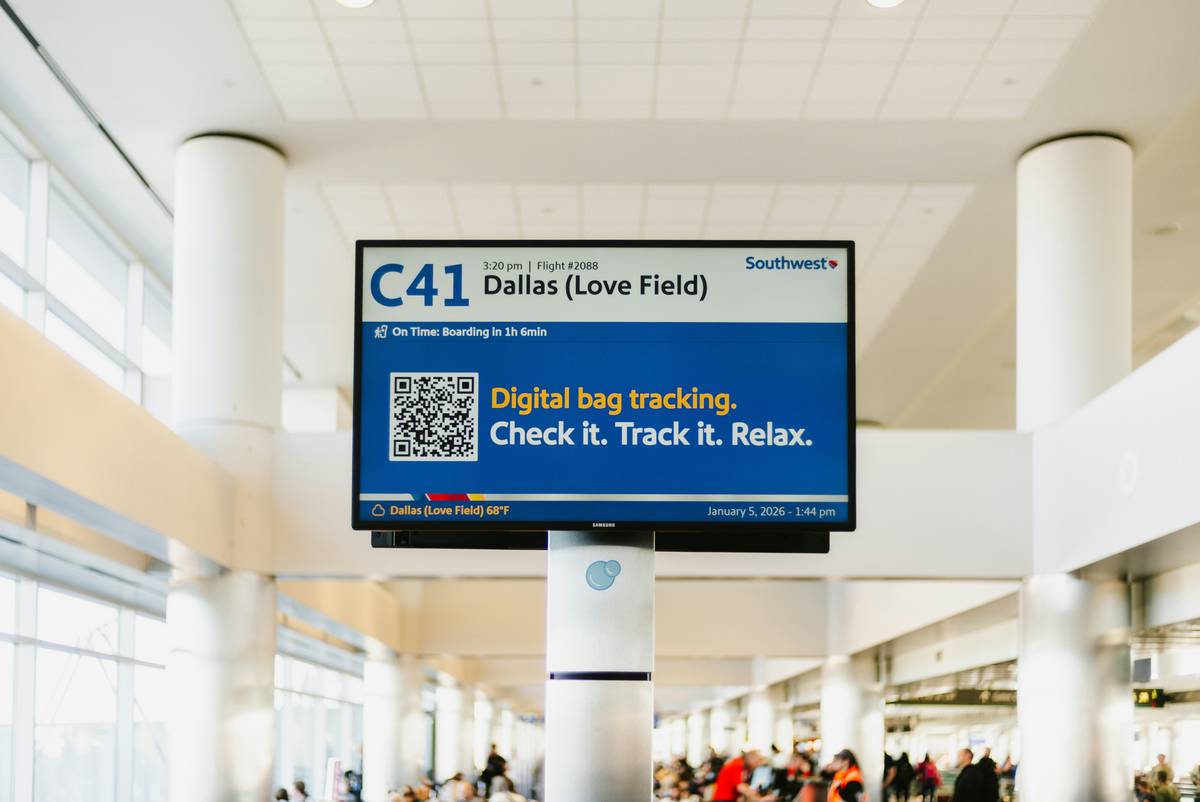
- Use the airline’s tracking tool too. While you wait for your insurer, use apps like WorldTracer (used by most major carriers) to monitor your bag’s location in real time.
- Combine with credit card coverage. Premium cards (Amex Platinum, Chase Sapphire Reserve) often include secondary baggage delay protection—stack it with your travel policy for extra backup.
- Never say “lost”—say “delayed.” Once a bag is declared “lost” (usually after 5–7 days), different rules apply. Keep it classified as “delayed” as long as possible to access faster reimbursement.
🚫 Terrible Tip Disclaimer
“Just call your insurer once and wait.” Nope. Claims get buried. Silence = denial. You’ve got to track delayed baggage insurance like it’s your job.
Rant Corner: My Pet Peeve
Why do airlines hand out PIRs like candy but make tracking your actual bag feel like cracking the Enigma code? You get a report number but no GPS pin, no ETA—just “we’ll call you.” Meanwhile, FedEx tracks your dog bed across three states in real time. Priorities, people!
Real Travelers, Real Claims: What Went Right (and Wrong)
✅ Success Story: Maya, Tokyo Business Trip
Maya’s bag missed her ANA connection. She got her PIR at Narita, bought work attire ($220), and filed with her Berkshire Hathaway policy within 48 hours. Used their online tracker, saw “Approved” in 6 days, reimbursed via PayPal in 9.
❌ Failure Case: Derek, Cancún Honeymoon
Derek assumed his airline credit covered everything. He never filed with his travel insurer (didn’t know he had coverage!). Spent $400 on swimwear and sunscreen—never reimbursed. His mistake? Not reading his policy’s fine print.
Lesson? **Filing ≠ winning. Tracking = winning.**
FAQs About Tracking Delayed Baggage Insurance
How long does it take to get reimbursed for delayed baggage?
Most insurers process claims in 7–14 business days—if you’ve submitted all docs correctly. Delays happen if receipts are missing or your PIR is illegible.
Can I track my actual physical bag and my insurance claim separately?
Yes! Use the airline’s baggage tracking (via WorldTracer or their app) for location updates, and your insurer’s portal for claim status. They’re totally separate systems.
What if my bag arrives before I file a claim?
As long as the delay met your policy’s minimum (e.g., 12 hours), and you incurred expenses during that window, you can still file—provided you do so within the deadline period.
Does “track delayed baggage insurance” mean GPS tracking?
No. It refers to monitoring the status of your insurance reimbursement claim, not your suitcase. To track your physical bag, use your airline’s tool—not your insurer’s.
Conclusion
Tracking delayed baggage insurance isn’t glamorous—but it’s the difference between eating ramen for a week or getting back every dollar you spent replacing essentials. Remember: get your PIR, document obsessively, file fast, and track like a hawk. Your future self—dressed, charged, and stress-free—will thank you.
And hey, if your bag’s still MIA? At least you’ll be reimbursed enough to buy matching pajamas for the whole family. Silver linings, folks.
Like a 2000s flip phone, some things never go out of style—like keeping your PIR in your passport sleeve.