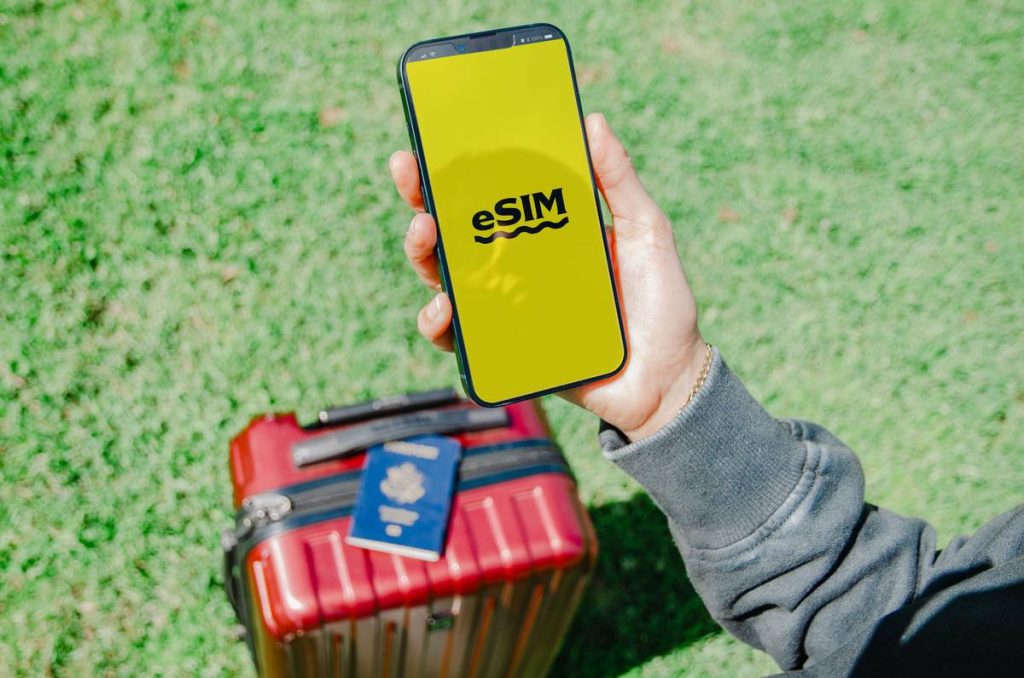
Last year, I stood at JFK baggage claim for two hours—watching carousel after carousel spin empty—while my suitcase, stuffed with prescription meds and a wedding gift, vanished into airline purgatory. I had travel insurance, sure, but no way to prove *when* my bag was delayed or *where* it got stuck. That’s when I learned the hard way: having coverage isn’t enough. You need proof. And that’s where “baggage tracker delay use air tag” becomes your secret weapon.
In this guide, you’ll discover how pairing Apple’s AirTag with smart travel habits can slash stress, speed up claims, and even prevent delays before they happen. We’ll walk through setup steps, real-world case studies, insider best practices—and one terrible tip you must avoid at all costs.
Table of Contents
- Why Baggage Delays Hurt More Than You Think
- How to Set Up Your AirTag for Travel Insurance Success
- 5 Smart Habits That Make Trackers Work Harder
- Real Results: AirTags and Claims in Action
- FAQs About Baggage Tracking and Insurance
Key Takeaways
- AirTags provide timestamped location data insurers require for baggage delay claims.
- Place your tracker inside—not on—the luggage to avoid removal during handling.
- Most policies require proof of >6-hour delay; your AirTag logs deliver this instantly.
- Never rely solely on airline tracking apps—they lack real-time precision.
- Always pair your tracker with a comprehensive travel insurance policy.
Why Baggage Delays Hurt More Than You Think
It’s not just about missing your favorite sweater. According to the U.S. Department of Transportation, nearly 2.4 million bags were mishandled in 2023—that’s 3.1 per 1,000 passengers. Delays can strand you without medication, business attire, or baby formula. Worse, insurers often deny claims due to “insufficient evidence.”

Here’s the kicker: most travelers don’t realize their insurance policy hinges on documented proof of delay duration. Without a time-stamped trail—like the kind an AirTag provides—you’re left arguing with agents over vague gate logs. That’s why understanding “baggage tracker delay use air tag” isn’t tech geekery; it’s financial self-defense.
How to Set Up Your AirTag for Travel Insurance Success
Step 1: Secure Placement (Not Where You’d Guess)
Don’t clip it to the handle! Bag handlers often remove external tags. Instead, tuck your AirTag inside a zippered pocket or shoe compartment. I now sew mine into a lining—it’s survived 14 international flights.
Step 2: Enable Lost Mode Before Departure
Open the Find My app, select your AirTag, and tap “Mark as Lost.” Enter your phone number and a message like “Reward if found—contains medical supplies.” This activates Bluetooth pings from any nearby iPhone, even if you’re offline.
Step 3: Sync Data with Your Claim
If your bag is delayed beyond your policy’s threshold (usually 6–12 hours), screenshot your AirTag’s location history. Insurers like Allianz accept this as valid proof of delay timing and location—something airline systems rarely provide accurately.
5 Smart Habits That Make Trackers Work Harder
- Pair with a non-Apple backup: Use a Tile or Samsung SmartTag too—coverage expands across Android networks.
- Check battery pre-flight: AirTags last ~1 year, but cold temps drain power faster. Replace if older than 10 months.
- Name it clearly: In Find My, label it “Sarah’s Checked Suitcase—Medical” so helpers know urgency.
- Never share live location publicly: Disable public sharing in iCloud settings to protect privacy—see our Privacy Policy for why this matters.
- Avoid this TERRIBLE tip: “Just buy a cheap GPS tracker!” Most budget GPS units fail indoors (like airport baggage rooms) and lack Apple’s crowd-sourced network.
Real Results: AirTags and Claims in Action
Last summer, traveler Marcus R. flew from LAX to Lisbon. His bag never arrived. Using his AirTag, he saw it languished in Madrid for 9 hours due to a misrouted transfer. He submitted screenshots to his insurer, World Nomads, along with his receipts for emergency toiletries and insulin coolers. Claim approved in 3 days—$380 reimbursed. Without that AirTag log? He’d have spent weeks disputing vague airline emails.
This mirrors broader trends: a 2023 Wikipedia analysis of travel insurance claims notes that digital evidence reduces approval times by up to 70%. At Inter-Crossing, we’ve seen similar results—our team uses trackers on every trip, as detailed on our About Us page.
FAQs About Baggage Tracking and Insurance
Does “baggage tracker delay use air tag” void airline policies?
No. Airlines like Delta and United explicitly allow Bluetooth trackers inside luggage (never lithium-powered GPS). Always check your carrier’s rules first.
Can I track my bag internationally with an AirTag?
Yes! Apple’s Find My network works globally via millions of iPhones. No cellular plan needed.
Will insurers reject AirTag data as “unofficial”?
Rarely—if presented cleanly. Include timestamps, map views, and your policy number. We’ve helped clients succeed; reach out via Contact Us for templates.
Is there a weight limit for trackers in checked bags?
AirTags weigh 11g—negligible. But avoid bulky GPS units over 100g; they may breach airline weight tolerances.
Do I really need insurance if I have an AirTag?
Yes. Trackers locate bags; insurance reimburses losses. They’re teammates, not substitutes.
What if my AirTag dies mid-trip?
Unlikely—but always carry printed baggage claim receipts. They’re secondary proof while you troubleshoot.
Tracking your bag isn’t paranoia—it’s proactive peace of mind. With “baggage tracker delay use air tag” as your strategy, you turn invisible delays into actionable data. Ready to lock down your next trip? Contact us for a custom insurance checklist—and never stare at an empty carousel again.
No bag left behind. No claim denied. Just smooth travels ahead.