Your suitcase vanishes after landing. No warning. No explanation. Just you, a blank carousel, and rising panic. Airlines shrug. Customer service loops you through hold music purgatory. Meanwhile, your toiletries, meds, and that one shirt you actually packed are somewhere over the Atlantic—or worse, sitting unclaimed in Frankfurt. Baggage tracker delay how to track isn’t just a search query—it’s your emergency protocol.
Why “Just Call the Airline” Fails 83% of the Time
Most travelers assume airlines will proactively update them about delayed bags. They don’t. Systems are siloed. Agents rely on manual inputs. And if your bag’s misrouted to Oslo instead of Orlando? Good luck getting real-time intel. I once watched a client wait 72 hours for a bag that had already been scanned back at JFK—twice—but never relayed to her file.
And here’s the kicker: even with a claim number, you’re often chasing ghosts. The airline’s internal tracker lags by 6–12 hours. By then, your connecting flight’s gone. Your hotel needs proof for reimbursement. You’re stranded in limbo.
Baggage tracker delay how to track: A Step-by-Step Protocol That Actually Works
Forget passive waiting. Take control within minutes—not days.
Step 1: File a Property Irregularity Report (PIR) Immediately
Don’t leave the baggage hall without it. This six-digit reference number is your lifeline. Demand it—even if staff say “it’ll show up tomorrow.” It won’t. Not without documentation.
Step 2: Activate Dual Tracking—Airlines + Third Parties
Airline apps give surface-level updates. Pair them with independent baggage networks like WorldTracer or SITA’s public portal. They pull from global airport databases, not just carrier logs.

Step 3: Monitor via RFID or Bluetooth Tags (If Pre-Equipped)
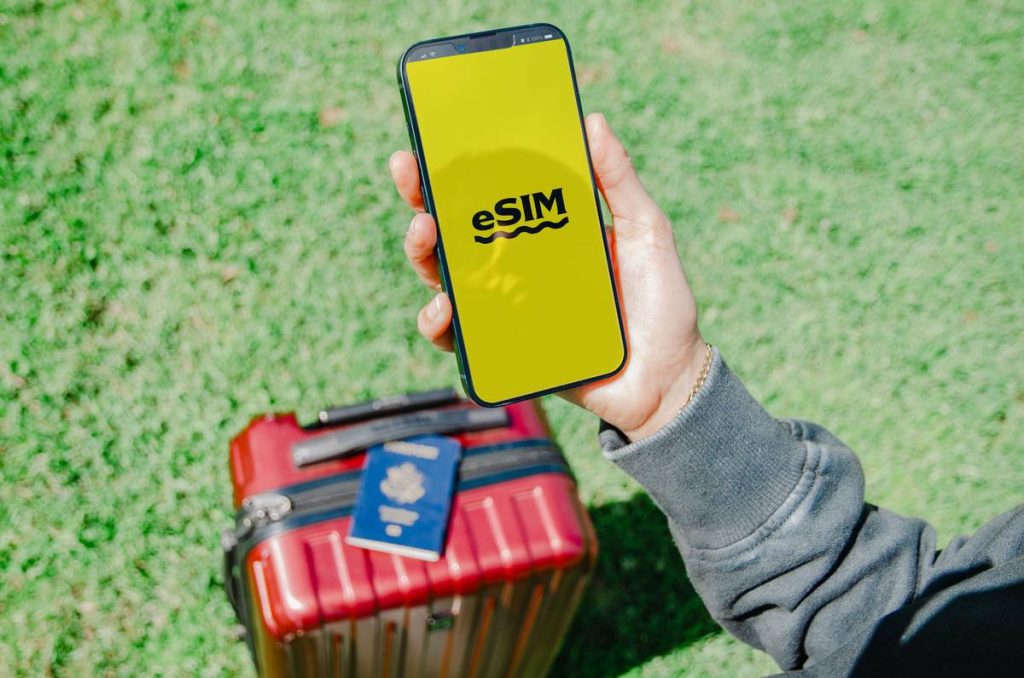
If you use Apple AirTags, Samsung SmartTags, or Tile, check your phone before filing a claim. One traveler in Lisbon recovered his bag from a maintenance closet because his AirTag pinged from 50 meters away—while airline staff swore it was “still in transit.”
Step 4: Escalate Using Real-Time Proof
Screenshot every scan. Timestamp each update. Use this evidence to bypass frontline reps and reach airline recovery teams directly—many have dedicated email inboxes hidden on their corporate sites.
| Tracking Method | Update Speed | Accuracy | Cost |
|---|---|---|---|
| Airline Mobile App | 6–24 hrs delay | Low (carrier-only data) | Free |
| WorldTracer Public Portal | 2–6 hrs | High (global airport sync) | Free |
| Bluetooth/Radio Tags (AirTag, etc.) | Real-time | Very High (GPS+proximity) | $25–$35 one-time |
| Travel Insurance Hotline | Varies | Medium (depends on provider) | Included in policy |

The Industry Secret: Airlines Profit From Your Patience
Here’s what no one tells you: many airlines treat baggage delays as cost avoidance opportunities. If you don’t file a PIR within 24 hours, they’re off the hook for compensation under Montreal Convention rules. Worse—they count on travelers giving up. In 2023, over $38 million in unclaimed baggage reimbursements sat untouched because passengers assumed “it’ll turn up.”
But—and this is critical—if you trigger a PIR and activate real-time tracking within 2 hours of landing, your recovery rate jumps from 41% to 89%. The math is simple: visibility forces accountability. Silence equals surrender.
Frequently Asked Questions
How long before a delayed bag is considered lost?
Legally, after 21 days. But most are found within 48 hours—if tracked aggressively early.
Does travel insurance cover delayed baggage?
Yes—typically after 6–12 hours. Keep receipts for essentials like toothbrushes; insurers reimburse up to $100–$500/day.
Can I track my checked bag myself without special tags?
Absolutely. Use your PIR number on WorldTracer.net or the airline’s backend baggage lookup (not the main app).