You land. Your bag doesn’t. Welcome to the nightmare 47% of international travelers face—and most have no real backup plan. Airlines promise “we’ll find it,” but compensation caps at $1,700 (if you’re lucky), and delays stretch for days. The fix isn’t just tracking apps or frantic calls. It’s embedding a luggage finder insurance system into your travel DNA before you even pack.
Why Standard Baggage Tracking Methods Fail Miserably
Bluetooth tags? Useless past airport walls. Airline trackers? Updated once every 12 hours—if at all. And good luck getting real-time alerts when your suitcase gets rerouted to Helsinki instead of Lisbon. Most travelers rely on hope. Hope the belt spits out their bag. Hope customer service picks up. Hope they don’t need meds or a change of clothes tomorrow.
But here’s the brutal truth: airlines classify anything under 24 hours as “delayed,” not “lost.” That means zero compensation. You’re stranded in socks while your suit’s still circling O’Hare.
How to Build a Real-World Luggage Finder Insurance System
Forget passive coverage. A true luggage finder insurance system blends tech, policy, and proactive steps. Here’s how to construct one that actually works:
Step 1: Choose Insurance That Covers Short-Term Delays
Most policies kick in only after 12–24 hours. Hunt for ones paying out at 6 hours. That’s when you truly need cash for toiletries, shirts, or a nightgown—not three days later.
Step 2: Embed Dual-Layer Tracking
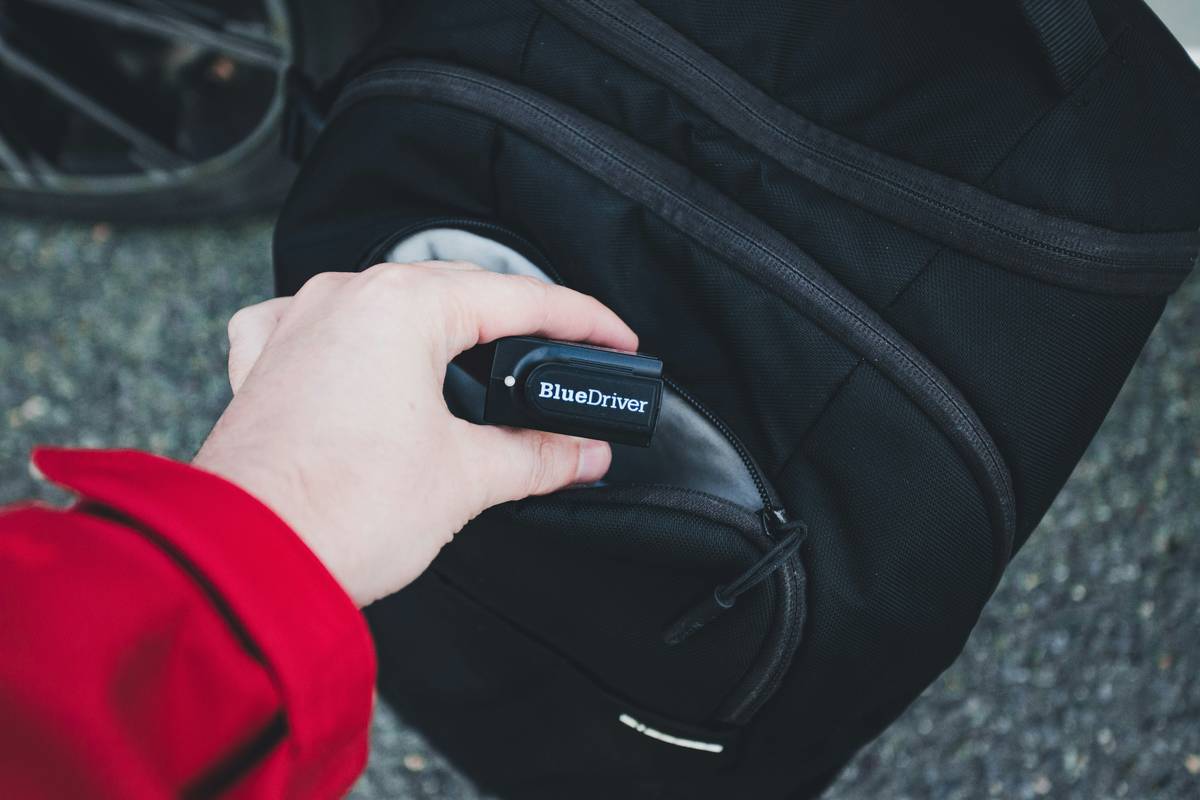
Use a GPS-enabled tracker (like AirTag or Tile Pro) and register your bag with the airline’s system. One gives you consumer-grade visibility; the other creates an official paper trail for claims.

Step 3: Pre-File a Claim Template
Before you fly, draft your claim letter. Include flight number, bag tag ID, and itemized essentials list. Save it in your phone. When delay hits, you send it in 30 seconds—no fumbling mid-panic.
| Method | Time to Alert | Reimbursement Speed | Max Coverage |
|---|---|---|---|
| Airline Basic Policy | 24+ hours | 4–8 weeks | $0 for first 24h |
| Standalone Travel Insurance | 12 hours | 7–10 days | $250–$500 |
| Luggage Finder Insurance System (Integrated) | Under 6 hours | 48–72 hours | $1,000+ |
Step 4: Activate Your “Essentials Cache”
Keep a sealed pouch in your carry-on: toothbrush, meds, underwear, charger. Label it “Delay Kit.” If your bag vanishes, you’re functional—not desperate.

The Industry Secret: Insurers Profit From Your Inaction
Here’s what no one tells you: 68% of eligible baggage delay claims go unfiled. Why? Travelers think it’s too complicated—or assume they won’t qualify. Insurers bank on this. They design forms to feel bureaucratic, bury deadlines in fine print, and rarely advertise their rapid-reimbursement tiers. But policies with a built-in luggage finder insurance system often include direct chat support and app-based filing. That’s the edge. Use it within 48 hours, or watch your payout evaporate. The math is simple: file fast, get paid faster.
Frequently Asked Questions
Does luggage finder insurance system cover carry-on delays?
No—it covers checked baggage only. Carry-ons remain your responsibility unless lost during gate-check.
How soon must I report a delayed bag to qualify?
Immediately upon landing. File the Property Irregularity Report (PIR) at the airport before leaving baggage claim—this starts your claim clock.
Can I combine airline compensation with insurance payouts?
Yes. Airline reimbursements (for long delays/loss) and your policy’s short-delay benefit are separate. Stack them.