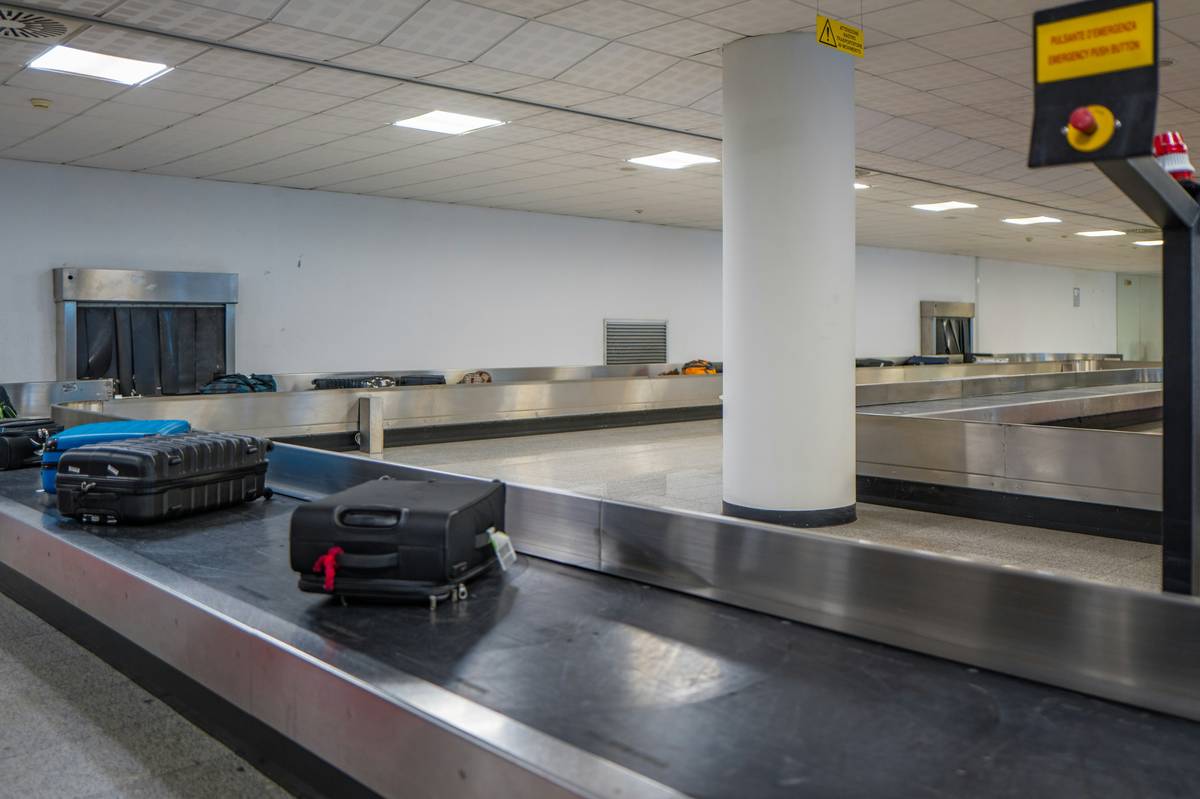
You land in Lisbon. Your suitcase doesn’t. Airlines promise delivery “within 24 hours.” It takes four days. You’re stuck buying toothpaste, socks, and a shirt that costs more than your one-way ticket. Standard travel insurance? Often excludes minor delays or caps reimbursements low enough to be useless. Enter the baggage tracking coverage plan—your real-time safety net when bags vanish mid-journey.
Why Generic Travel Insurance Fails on Delayed Luggage
Most policies treat baggage like an afterthought. Coverage kicks in only after 12–24 hours. By then, you’ve already spent cash on essentials just to function. And reimbursement paperwork? Buried under layers of forms requiring boarding passes, receipts, and sworn affidavits. Worse—some insurers deny claims if the airline labels it a “temporary misplacement,” not a true delay. That loophole leaves travelers stranded financially even when their bag is truly MIA.
Think about it: If your bag’s delayed 18 hours during a 3-day city break, you’ll never qualify for compensation. Yet you still need clean clothes and meds. The system’s rigged against short-haul or multi-city trips.
How to Secure Real-Time Baggage Tracking Coverage
Don’t rely on airline goodwill or cookie-cutter policies. Build a layered defense:
Step 1: Choose a Policy with Sub-12-Hour Trigger Thresholds
Look for plans activating within 6–12 hours of delay—not 24. These are rare but exist. They cover immediate necessities: toiletries, underwear, phone chargers. Some even partner with delivery apps to ship replacements directly to your hotel.
Step 2: Pair Insurance with Active GPS Trackers
Insurance pays you back. A Bluetooth or GSM tracker shows you where your bag actually is. Brands like Apple AirTag or Samsung SmartTag + give live location—bypassing airline black holes. Yes, airlines discourage them (fear of battery regulations), but discreet placement in side pockets works. Pro tip: Never attach trackers to external zippers—they get ripped off during handling.
Step 3: Understand Claim Documentation Realities
Save digital proof instantly. Snap a photo of the Property Irregularity Report (PIR) at the airport. Use your bank app to timestamp emergency purchases. Many modern plans accept e-receipts—no notarization needed.
| Protection Method | Activation Time | Avg. Payout Cap | Real-Time Visibility? |
|---|---|---|---|
| Standard Travel Insurance | 24+ hours | $100–$250 | No |
| Dedicated Baggage Tracking Coverage Plan | 6–12 hours | $300–$750 | Yes (if paired with tracker) |
| Standalone GPS Tracker Only | N/A | $0 (no financial coverage) | Yes |
| Combo: Tracker + Specialized Plan | Under 6 hours | $500+ | Full visibility + payout |
The Industry Secret: Airlines Profit from Your Lost Bag Claims
Here’s what no brochure tells you: When you file a lost luggage claim, the airline often receives an insurance payout from its own carrier policy—even while denying yours. Their internal coverage kicks in faster and pays more generously. But they won’t tell you that. Instead, they steer you toward minimal passenger compensation to avoid triggering their own liability thresholds. A robust baggage tracking coverage plan bypasses this shell game entirely—it’s your direct line to reimbursement, independent of airline excuses.
And yes—some insurers quietly exclude coverage if you “failed to report” within 1 hour of landing. Set a phone alarm the moment wheels touch tarmac.
Frequently Asked Questions
Does baggage tracking coverage plan include stolen luggage?
Usually not. Theft typically requires separate personal property coverage. Always confirm exclusions—especially for high-theft destinations.
Can I buy this coverage after booking my flight?
Yes, but window closes 24 hours pre-departure. Post-departure purchases aren’t honored. Buy early—it’s cheaper too.
Are electronics covered under delayed baggage claims?
Rarely. Most plans cap essential items like clothing and toiletries. High-value gear needs add-on riders or separate gadget insurance.