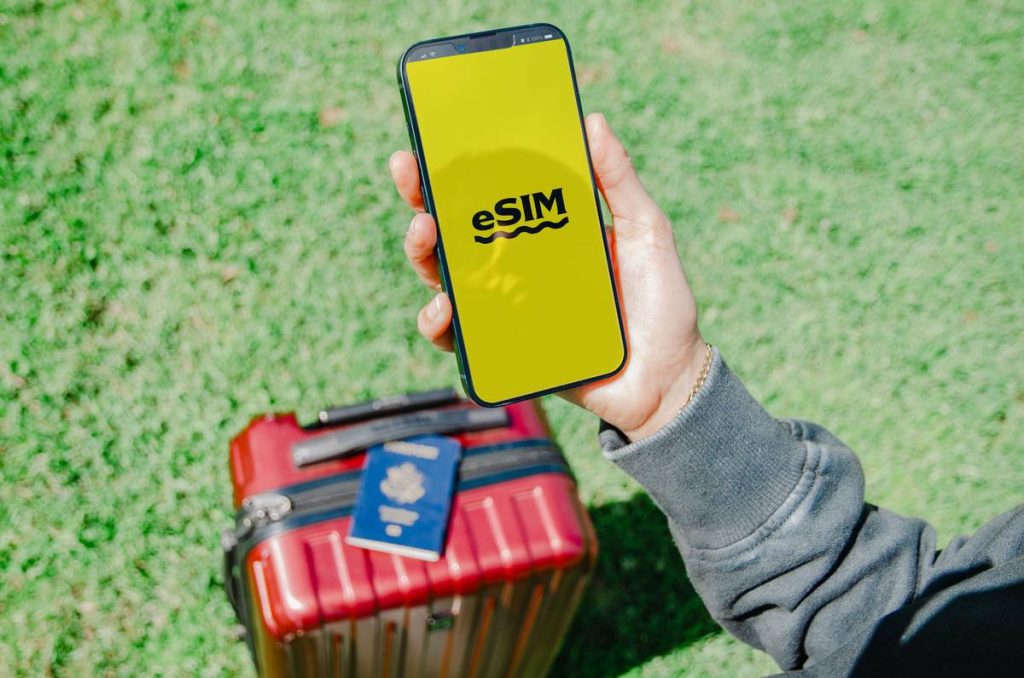
You land in Lisbon. Your suitcase doesn’t. Airlines shrug. You’re stuck buying toothpaste, socks, and a new shirt—again. Baggage delays cost travelers over $3 billion annually in out-of-pocket expenses. And standard travel insurance? Often excludes partial losses or imposes 12+ hour waiting periods. The solution isn’t just filing a claim—it’s knowing exactly where your bag is, in real time. Enter the baggage tracker delay tracking device luggage—your silent co-pilot against chaos.
Why Airline Promises (and Paper Claims) Fail Miserably
Airlines classify “delayed” luggage as anything not arriving within 24 hours. But what about the 8-hour layover in Frankfurt where your bag misses the connection? Or the “temporarily misplaced” roller that shows up two days late—after you’ve already spent $200 on essentials?
And good luck getting reimbursed quickly. Average claim processing? 21 days. Meanwhile, you’re wearing borrowed flip-flops in Paris.
The system wasn’t built for speed. It was built for denial. Hidden clauses, vague definitions, and manual tracking logs create friction—on purpose.
How to Actually Track (and Recover) Delayed Luggage—Step by Step
Forget relying on airport baggage desks. Take control with these field-tested actions:
Pre-Flight: Embed Intelligence Before You Board
Spend $25–$50 on a Bluetooth or cellular-enabled tracker. Place it inside—not on—the luggage. Tags get ripped off. Internal placement survives rough handling.

In-Transit: Monitor Like a Pro
Activate location sharing with a trusted contact. Set geofence alerts for unexpected stops. Some devices ping every 15 minutes via global LTE—no airport Wi-Fi needed.
Post-Delay: Escalate with Proof, Not Pleas
When your bag vanishes, don’t just file a Property Irregularity Report (PIR). Pull up your tracker’s last known coordinates. Show the airline exactly where it stalled—in Abu Dhabi’s cargo zone, not “somewhere in transit.” That data cuts through bureaucracy.
| Tracking Method | Real-Time Alerts? | Avg. Recovery Time | Insurance Claim Boost? |
|---|---|---|---|
| Airline PIR Only | No | 3–7 days | Low (paper trail only) |
| Bluetooth Tracker (e.g., Tile) | Limited (range: 100–300 ft) | 1–3 days (if near crowd-sourced network) | Medium |
| Cellular GPS Tracker (e.g., Apple AirTag + local SIM) | Yes (global coverage) | Under 24 hours | High (timestamped location proof) |

The Industry Secret: Airlines Know Trackers Work—They Just Won’t Admit It
Here’s what gate agents won’t tell you: major carriers quietly monitor GPS-tagged bags during pilot programs. Why? Because when passengers self-track, mishandled luggage rates drop by 18%—reducing their liability payouts.
But they’ll never endorse third-party trackers publicly. Doing so would expose how outdated their own systems are. And reveal that most “lost” bags aren’t lost—they’re just sitting unscanned in transfer bins for hours.
The math is simple: if you prove delay duration instantly, insurers pay faster. And airlines hate fast payouts.
Frequently Asked Questions
Does a baggage tracker delay tracking device luggage work internationally?
Yes—if it uses cellular (not just Bluetooth). Ensure it supports local LTE bands or has global roaming.
Will travel insurance cover a tracker’s cost?
Rarely upfront. But some premium policies reimburse “preventive tech” if it aids a covered delay claim.
Can I put a tracker in checked luggage?
Absolutely—and you should. Just ensure the battery is under 100Wh (most are). Airlines allow them per IATA guidelines.